
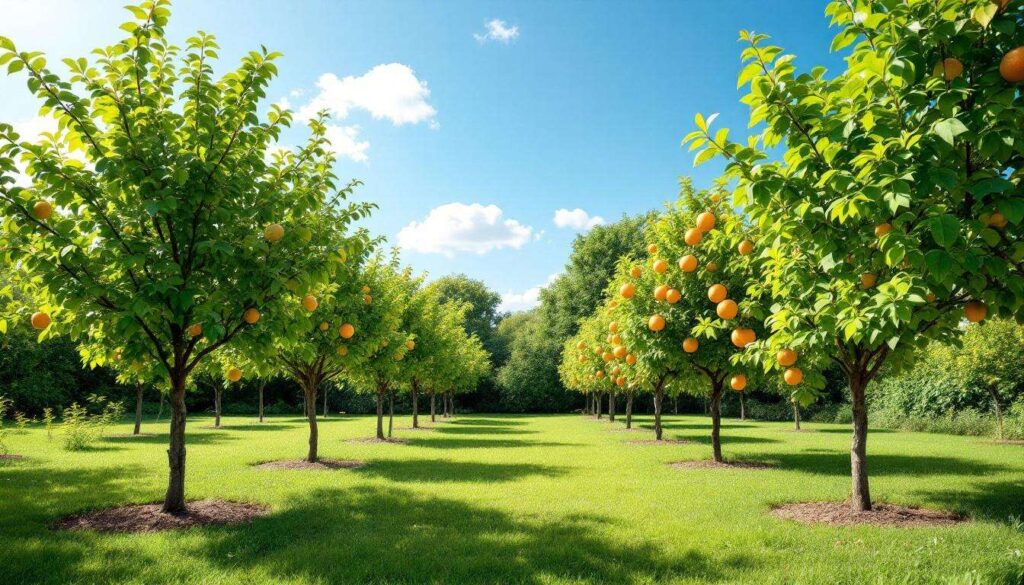
Growing fruit trees at home offers the satisfaction of harvesting fresh produce whilst enhancing your garden’s aesthetic appeal. For those new to horticulture, selecting the right varieties can make the difference between success and disappointment. Certain fruit trees require minimal maintenance, adapt well to various climates, and forgive beginner mistakes. Understanding which species thrive with basic care allows novice gardeners to establish productive orchards without extensive horticultural knowledge. From traditional favourites to lesser-known options, accessible fruit-growing opportunities exist for every garden size and climate zone.
The easiest fruit trees to grow
Characteristics of beginner-friendly varieties
The most suitable fruit trees for novice gardeners share several essential characteristics that ensure successful cultivation. Disease resistance stands paramount, as varieties requiring frequent chemical treatments demand expertise beyond beginner capabilities. Self-fertile cultivars eliminate the complexity of pollination management, producing fruit without requiring companion trees. Compact growth habits suit smaller gardens whilst simplifying pruning tasks.
Adaptability to local climate conditions proves crucial for minimising maintenance requirements. Trees tolerant of temperature fluctuations, soil variations, and irregular watering schedules offer greater forgiveness for inexperienced growers. Hardy varieties withstand common pests and weather challenges without constant intervention.
Essential factors for selection
When choosing fruit trees, beginners should consider several practical elements:
- Available garden space and potential tree size at maturity
- Local climate zone and microclimate conditions
- Soil type and drainage capabilities
- Time commitment for maintenance activities
- Desired harvest period and fruit preferences
| Tree type | Space requirement | Maintenance level | Years to fruiting |
|---|---|---|---|
| Dwarf varieties | 2-3 metres | Low to moderate | 2-3 years |
| Standard varieties | 5-8 metres | Moderate | 4-6 years |
| Columnar forms | 1 metre | Low | 2-3 years |
Understanding these foundational principles prepares gardeners to make informed decisions about specific species that meet their circumstances and capabilities. Among the most reliable options, certain traditional favourites have earned their reputation through generations of successful cultivation.
Apple trees, a quintessential choice
Why apples suit beginners
Apple trees represent the archetypal fruit tree for British gardens, combining cultural familiarity with practical advantages. Their widespread cultivation means abundant resources exist for troubleshooting problems and obtaining advice. Numerous varieties have been developed specifically for ease of cultivation, offering disease resistance and predictable growth patterns.
Modern rootstocks allow gardeners to select trees matching their available space perfectly. Dwarf rootstocks produce trees reaching merely two metres in height, suitable for containers or small gardens, whilst still delivering substantial harvests. Self-fertile varieties eliminate pollination concerns, though planting multiple cultivars typically increases yields.
Recommended varieties for novices
Several apple varieties demonstrate particular suitability for inexperienced growers:
- Discovery: early-season variety with excellent disease resistance and reliable cropping
- James Grieve: dual-purpose apple suitable for eating fresh or cooking, tolerant of various conditions
- Sunset: compact growth habit with exceptional flavour and good storage qualities
- Red Falstaff: highly disease-resistant with attractive blossom and consistent production
Basic cultivation requirements
Apple trees thrive in well-drained soil with moderate fertility and full sun exposure. They require regular watering during establishment and dry periods, particularly when fruits are developing. Annual pruning maintains shape, encourages fruiting, and improves air circulation to prevent fungal diseases. Winter pruning of established trees involves removing dead, damaged, or crossing branches whilst maintaining an open centre structure.
Whilst apples excel in temperate climates, gardeners in warmer regions may find alternative species better suited to their conditions.
Fig trees for mild climates
Advantages of growing figs
Fig trees offer exceptional rewards for minimal effort in areas with mild winters and warm summers. Their Mediterranean origins make them drought-tolerant once established, requiring less frequent watering than most fruit trees. Figs produce two potential crops annually in favourable conditions, with an early summer harvest followed by a larger autumn yield.
These trees demonstrate remarkable pest and disease resistance, rarely requiring chemical interventions. Their architectural form and attractive foliage provide ornamental value beyond fruit production, making them excellent dual-purpose garden features.
Cultivation in containers
Container cultivation suits figs particularly well, offering several advantages for beginners:
- Root restriction encourages earlier and heavier fruiting
- Mobility allows winter protection in borderline climate zones
- Simplified soil management with controlled growing medium
- Space efficiency for small gardens or patios
| Variety | Climate suitability | Fruit characteristics | Container size |
|---|---|---|---|
| Brown Turkey | Most UK regions | Purple-brown, reliable | 45cm minimum |
| White Marseilles | Mild areas | Pale green, sweet | 45cm minimum |
Figs require minimal pruning beyond removing frost-damaged growth and maintaining desired size. Their straightforward care requirements make them ideal for time-poor gardeners seeking substantial harvests. Beyond these warm-climate specialists, other traditional orchard trees offer reliability across broader geographical ranges.
Pear trees, hardy and productive
Resilience and reliability
Pear trees exhibit remarkable hardiness across diverse British climates, tolerating both cold winters and variable spring conditions. Their deep root systems provide drought resistance once established, whilst their sturdy structure withstands strong winds better than many fruit trees. Pears typically demonstrate greater longevity than apples, with well-maintained trees producing for decades.
These trees blossom slightly earlier than apples, occasionally exposing flowers to late frosts, yet most varieties recover well from such setbacks. Their consistent productivity makes them dependable additions to beginner orchards, rarely experiencing complete crop failures.
Suitable varieties and pollination
Most pear varieties require cross-pollination from compatible cultivars, necessitating at least two trees for fruit production. However, several options simplify this requirement:
- Conference: partially self-fertile, producing reasonable crops alone whilst benefiting from pollinators
- Concorde: excellent flavour with good disease resistance and compact growth
- Beth: early-ripening variety with reliable cropping and manageable size
Maintenance considerations
Pear trees benefit from similar care to apples but demonstrate greater tolerance of heavy soils provided drainage remains adequate. They require less intensive pruning than apples, with established trees needing only light annual trimming to remove dead wood and maintain shape. Fire blight represents the primary disease concern, though selecting resistant varieties minimises this risk.
Whilst pears offer practical advantages, other species provide additional aesthetic and culinary benefits that appeal to gardeners seeking ornamental value alongside productivity.
Cherry trees, beautiful and tasty
Ornamental and productive qualities
Cherry trees deliver spectacular spring blossom displays rivalling purely ornamental varieties whilst producing delicious fruits. Their dramatic flowering period transforms gardens into stunning landscapes, followed by attractive foliage and eventual fruit production. Sweet cherries offer eating quality, whilst sour varieties excel for cooking and preserving.
Modern self-fertile varieties eliminate traditional pollination complications, allowing single-tree cultivation. Dwarf rootstocks bring cherry growing within reach of small gardens, producing trees manageable in height and spread. Container cultivation succeeds with appropriate varieties, enabling balcony and patio growing.
Beginner-friendly selections
Several cherry varieties particularly suit novice growers:
| Variety | Type | Pollination | Special features |
|---|---|---|---|
| Stella | Sweet | Self-fertile | Heavy cropping, disease resistant |
| Morello | Sour | Self-fertile | Shade tolerant, excellent for cooking |
| Sunburst | Sweet | Self-fertile | Compact growth, early fruiting |
Protection and care requirements
Cherry trees require protection from birds, which can devastate crops within hours of ripening. Netting provides effective defence, particularly manageable on dwarf varieties. These trees prefer well-drained soil and full sun exposure, struggling in waterlogged conditions. Pruning should occur in summer to minimise disease risk, focusing on maintaining open canopy structure.
Understanding the specific needs of individual species prepares gardeners for successful cultivation, yet proper planting and ongoing maintenance techniques apply universally across fruit tree varieties.
How to plant and maintain your fruit tree
Planting procedures for success
Proper planting establishes the foundation for years of productive growth. Bare-root trees planted during dormancy between November and March offer economical options with excellent establishment rates. Container-grown specimens allow year-round planting but require more careful watering management.
The planting process involves several critical steps:
- Dig holes twice the width of root systems but no deeper than root balls
- Incorporate organic matter into excavated soil to improve structure
- Position trees at original planting depth, avoiding burial of graft unions
- Backfill carefully, firming soil to eliminate air pockets
- Water thoroughly and apply mulch, keeping material away from trunks
- Install stakes for support, using flexible ties to prevent damage
Ongoing maintenance practices
Regular care ensures healthy growth and abundant harvests. Watering requirements vary by season, with newly planted trees needing consistent moisture during their first growing season. Established trees require supplemental watering during extended dry periods, particularly when fruits are swelling.
| Maintenance task | Frequency | Timing | Purpose |
|---|---|---|---|
| Watering | As needed | Growing season | Prevent stress, support fruiting |
| Mulching | Annual | Spring | Retain moisture, suppress weeds |
| Feeding | Annual | Early spring | Support growth and fruiting |
| Pruning | Annual | Winter/summer | Shape, health, productivity |
Common challenges and solutions
Beginners commonly encounter several manageable issues. Pest management begins with selecting resistant varieties and maintaining tree health through proper nutrition and watering. Aphids, the most frequent pest, can be controlled with water sprays or encouraging natural predators. Fungal diseases respond to improved air circulation through pruning and avoiding overhead watering.
Fruit thinning, though counterintuitive, improves harvest quality by removing excess developing fruits. This practice prevents branch damage from heavy loads whilst increasing remaining fruit size and flavour. Thinning also encourages consistent annual cropping rather than biennial bearing patterns.
Protection from wildlife requires various strategies depending on local fauna. Tree guards prevent bark damage from rabbits and deer, whilst netting excludes birds and squirrels from ripening crops. Timing protection installation before damage occurs proves more effective than reactive measures.
Growing fruit trees successfully combines selecting appropriate varieties with implementing consistent care routines. Beginning gardeners who choose forgiving species, plant correctly, and maintain regular watering and pruning schedules can expect rewarding harvests within a few seasons. The satisfaction of picking homegrown fruit, combined with the beauty these trees bring to gardens, makes the modest effort required worthwhile. Starting with one or two trees allows skill development before expanding plantings, building confidence through experience whilst enjoying fresh, flavourful produce that supermarkets cannot match.